


Quick Answer:
Should I choose a root canal or tooth extraction?
The answer depends on whether the tooth can be preserved or needs to be removed, as well as how each option fits your long-term oral health goals.
Key Takeaways
- Extraction vs root canal focuses on removal versus preservation
- A root canal procedure is designed to save a natural tooth
- Tooth extraction removes the tooth and leaves an empty space
- Preserving your natural tooth can support bite balance and appearance
- Understanding canal vs extraction helps reduce uncertainty
When facing tooth pain or damage, many people compare root canal vs extraction without fully understanding what each option means. The choice can feel stressful, especially when unfamiliar dental terms are involved. However, learning how each dental procedure works can make the decision clearer and less intimidating.
This article explains extraction vs root canal in a neutral, easy-to-follow way. Rather than focusing on fear or extremes, it breaks down how each approach affects your tooth structure, comfort, and long-term oral function.
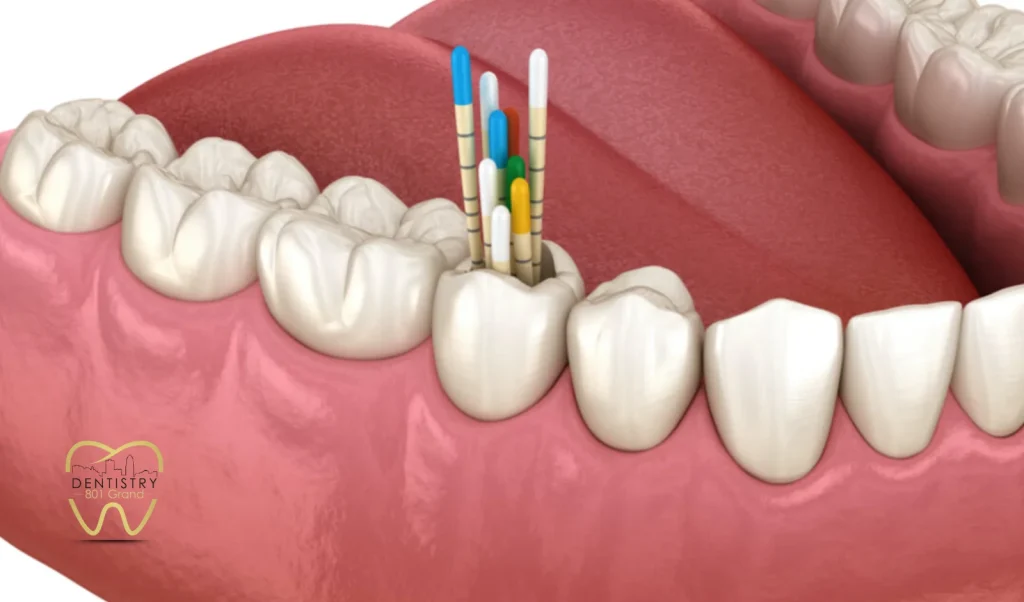
Root Canal vs Extraction: What Each Option Does
The core difference between extract tooth vs root canal is simple. A root canal treatment aims to save your natural teeth, while a tooth extraction removes the tooth entirely.
During root canal therapy, the inner tissue of the tooth often referred to as the infected pulp is cleaned so the dentist can remove the infection. The space inside the tooth is then filled and sealed, often using a material called gutta percha, to stabilize the tooth. This is a procedure designed to save the original tooth whenever possible.
Tooth extraction, by contrast, removes the tooth from the jaw. In some cases, an oral surgeon may perform the removal, especially when the tooth is difficult to access.
Why Preserving a Natural Tooth Matters
When comparing tooth root canal vs extraction, many people prioritize keeping their natural tooth. Natural teeth help maintain chewing efficiency and prevent neighboring teeth from shifting.
A successful root canal procedure allows patients to preserve their natural tooth structure rather than replacing it. Keeping the tooth can reduce the need for additional restorative options later on, making it a preferred choice when the tooth can still function.
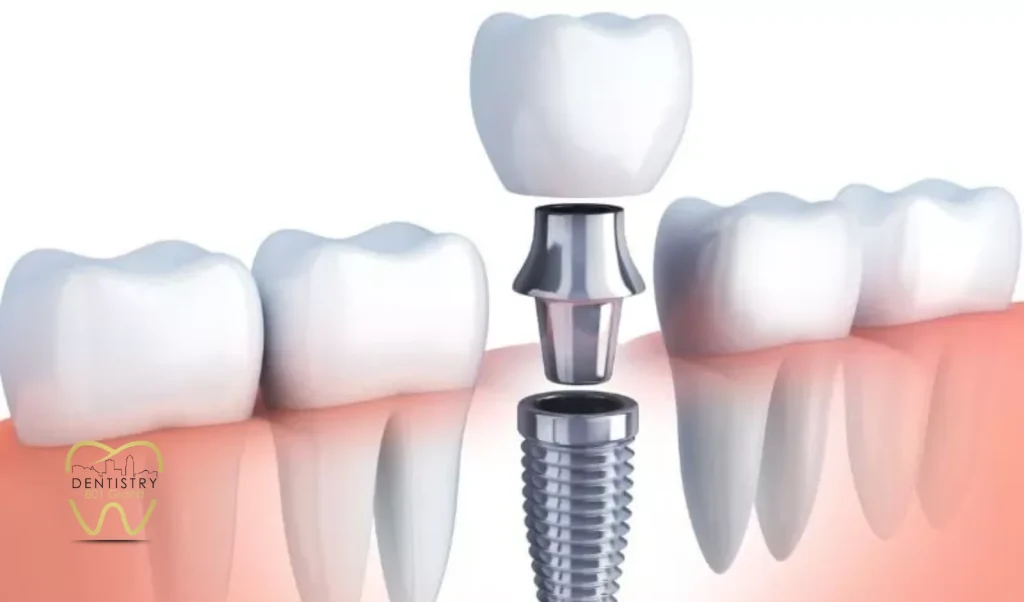
When Tooth Extraction Becomes an Option
Tooth extraction may be considered when the tooth cannot support normal use. Once removed, the area may leave an empty space, which can affect alignment over time.
That space often leads to discussions about bridges or implants. Some people choose dental implants to restore appearance and function, while others explore alternative solutions depending on comfort and preference.
Understanding what follows extraction is an important part of the canal vs extraction conversation.
What to Expect During Each Dental Procedure
Both options involve numbing the area to improve comfort. A root canal treatment focuses on cleaning the inside of the tooth, while extraction focuses on safe removal.
With a root canal, the tooth remains in place and continues functioning after it is cleaned, shaped, and sealed. With extraction, follow-up planning becomes essential to address the missing tooth and protect surrounding teeth.
Thinking Beyond the Immediate Decision
The root canal vs tooth extraction choice doesn’t end once the appointment is over. Long-term considerations include bite balance, appearance, and how the mouth adapts.
Preserving a tooth helps maintain natural spacing, while extraction may require future solutions such as bridges or implants. Looking ahead helps turn a stressful decision into a more confident one.
Final Thoughts
Choosing between root canal vs extraction is not about choosing the “easier” option. It’s about understanding how each dental procedure supports comfort, function, and long-term oral health. When preservation is possible, many people prefer options that help save your natural teeth, but every situation is unique.
Take the Next Step With Confidence
If you’re weighing extraction vs root canal and want clear, pressure-free guidance, a conversation with a trusted dental team can help you feel more confident in your decision. Dentistry 801 Grand offers patient-focused discussions that explain your options without rushing the process.
To schedule a consultation or ask questions, call (515) 243-3419 and take the next step toward informed, comfortable dental care.
Frequently Asked Questions
How do I know if a root canal or tooth extraction is better for me?
I usually think about whether keeping my natural tooth is possible and how each option affects my future dental needs.
Will removing a tooth leave an empty space in my mouth?
Yes, and I’ve learned that this space may require planning to maintain alignment and comfort.
Does a root canal really save the original tooth?
In many cases, yes. Root canal therapy is designed to keep the tooth in place and functioning.
Will I need bridges or implants if I choose extraction?
Possibly. Many people explore bridges or dental implants after a tooth is removed.
Can I discuss both options before deciding?
Absolutely. I’ve found that open conversations make the decision much easier.