


Quick Answer
How long should tooth pain last after dental treatment?
Mild tooth pain or sensitivity after dental treatment may last a few days, depending on the procedure. Discomfort after fillings, crowns, or tooth extractions should gradually improve as the area heals. If pain becomes severe, worsens, or lasts longer than expected, contact your dentist for an evaluation.
Key Takeaways
- Mild tooth pain and sensitivity are common after dental procedures.
- Tooth extractions may cause temporary swelling and soreness as the area heals.
- Pain when biting after a filling or crown may indicate a bite alignment problem.
- Soft foods, gentle brushing, and appropriate pain medication can help reduce discomfort.
Tooth pain can occur after dental procedures, even when everything goes exactly as it should. While mild discomfort is normal after treatments, some people experience sharper sensations, pain when biting, or lingering tooth sensitivity. Understanding why tooth pain develops after a tooth is pulled, filled, or crowned can help you manage symptoms, protect your oral health, and know when to contact Dentistry 801 Grand for further guidance.
Every tooth heals differently. Practicing good dental care, adjusting daily habits, and paying attention to early warning signs can help you recover more comfortably.
Tooth Pain After a Tooth Extraction
Feeling tooth pain after having a tooth pulled is common. After the procedure, your body forms a protective blood clot and begins repairing bone and soft tissue. During this stage, it’s normal to feel swelling, pressure, and mild irritation.
One complication to watch for is dry socket, which occurs when the blood clot becomes loose or dissolves too soon. Without the clot, the bone and nerves are exposed, causing sharp and persistent pain that may radiate to the ear or jaw. Avoid smoking, straws, and hard foods, as these can increase the risk.
If the pain worsens or you notice a foul taste or odor, consult your dentist, as these could be signs of infection.
Related: Why Your Tooth Hurts: Common Causes
Tooth Pain After a Filling
Experiencing tooth pain after filling a cavity is very common, especially if the decay was deep. When a dentist removes damaged tooth structure and places new filling material, the nerve inside the tooth may react, causing temporary irritation.
Some people feel sensitivity to hot or cold foods, pressure, or certain foods and drinks. This sensitivity often decreases as the nerve calms down.
However, filling tooth pain after treatment may occur if the filling is slightly too high. This causes the tooth to hit first when chewing, leading to discomfort or pain when biting. A simple adjustment by your dentist usually corrects this.
Tooth Pain After a Dental Crown
Feeling tooth pain after crown placement is also normal. Preparing a tooth for a crown requires reshaping, which can irritate the inner nerve. Temporary crowns may also feel uncomfortable because they don’t fit as securely as permanent ones.
Once the final crown is placed, most sensitivity improves. But if a crown feels loose, uneven, or causes persistent discomfort, you should contact your dentist, as this may indicate a bite alignment issue or early infection.
Related: Can You Go to the ER for Tooth Pain?
Everyday Triggers That Increase Sensitivity
Healing teeth are often sensitive to temperature, pressure, and certain ingredients. Common triggers include:
- Hot or cold foods
- Sugary snacks
- Hard or sticky items
- Acidic foods and drinks
These irritants can intensify mild discomfort. Soft foods and chewing on the opposite side of your mouth help limit irritation while healing.
When Tooth Pain Signals an Infection
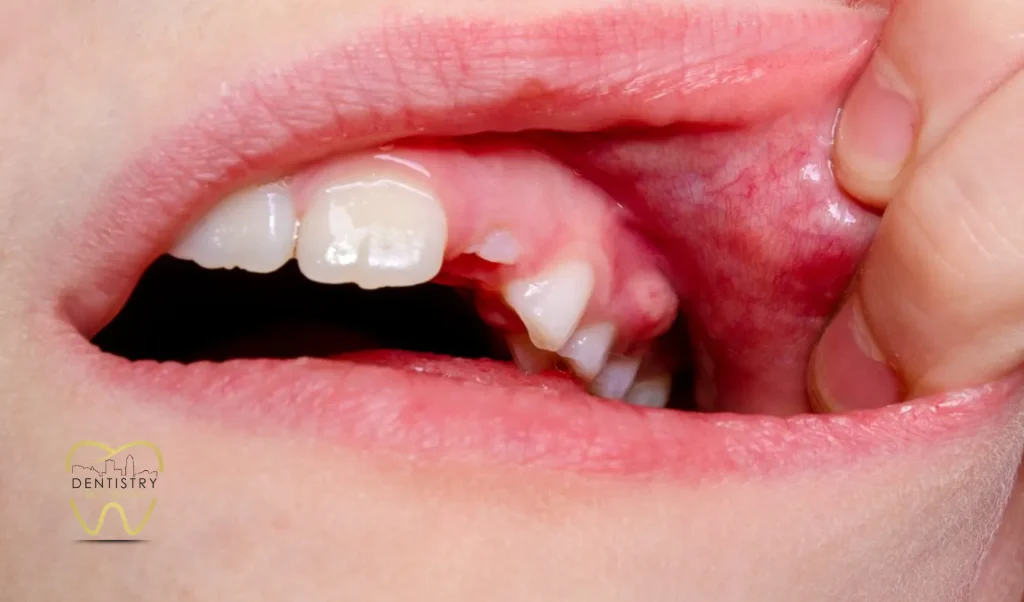
While discomfort usually improves, some symptoms may be signs of infection, especially after tooth extractions, dental fillings, or crowns. Watch for:
- Swelling around the gums or jaw
- Fever, chills, or fatigue
- Pus or drainage
- A strong or unpleasant taste
- Pain spreading to the ear or jaw
- Difficulty opening your mouth
If you notice these symptoms, seek care right away. Early treatment prevents more serious complications.
At-Home Remedies to Reduce Pain
Before your follow-up dental visit, certain home-care methods can ease discomfort safely:
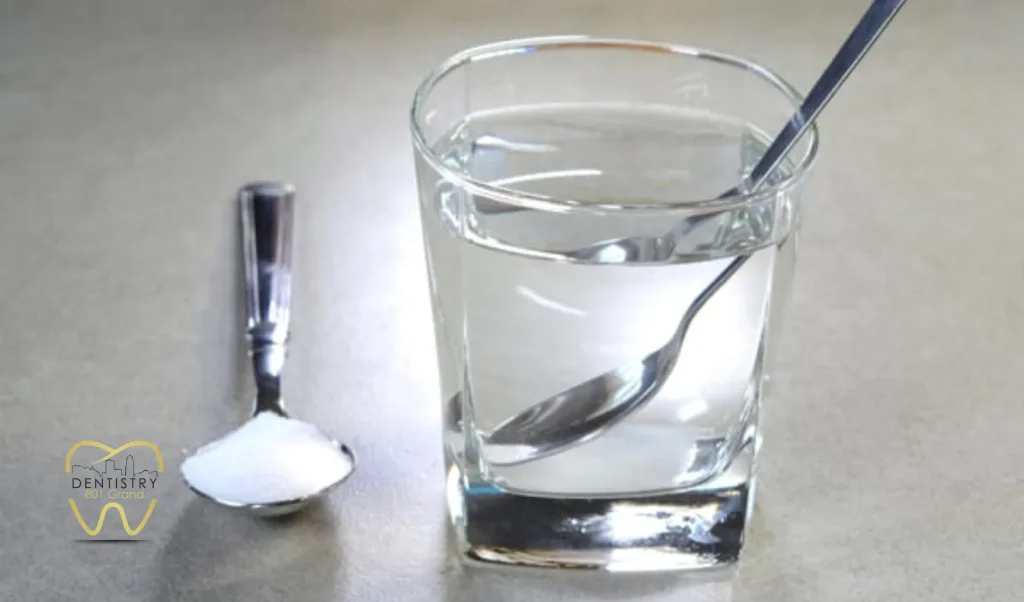
Warm Salt Water Rinse
Rinsing your mouth with warm salt water can help clean the area, soothe irritated tissue, and reduce inflammation.
Counter Pain Relievers
Over-the-counter pain medication can help manage swelling and temporary discomfort. Follow dosing instructions carefully.
Desensitizing Toothpaste
A desensitizing toothpaste can calm tooth sensitivity, especially after a dental filling or crown. It creates a protective layer over the tooth surface, reducing irritation.

Gentle Brushing Habits
Continue brushing your teeth, but avoid aggressive pressure. Use warm water and a soft-bristled brush to avoid irritating sensitive areas.
When to Contact A Dentist
While some discomfort is normal, certain symptoms should never be ignored. Contact a dental professional if:
- Pain lasts longer than a few days
- Symptoms worsen instead of improving
- Chewing causes sharp or intense sensitivity
- A filling or crown feels high, loose, or uneven
- You notice possible signs of infection
- Pain interferes with eating, speaking, or daily activities
Timely care allows your dentist to diagnose issues such as nerve irritation, dry socket, bite problems, or hidden decay before they become more serious.
Conclusion
Tooth pain after dental treatment is common and often temporary, but discomfort that persists, worsens, or disrupts daily routines shouldn’t be ignored. Paying attention to symptoms and getting the right help protects your long-term oral health and promotes a smooth recovery. If something feels off, a prompt evaluation can give you clarity and relief.
Don’t Let Tooth Pain Take Over Your Day
If your tooth pain isn’t improving or you’re looking for a dependable long-term solution, the team at Dentistry 801 Grand is ready to help. Their skilled dental professionals can pinpoint the cause of your discomfort and provide treatments designed for fast, lasting relief.
Call (515) 243-3419 today to schedule your appointment.
Don’t let the discomfort escalate, contact Dentistry 801 Grand now and protect your smile with compassionate, reliable dental care.
Related: Best Medication for Tooth Pain: What Actually Helps Fast
Frequently Asked Questions
Why does my tooth hurt when I chew after a filling?
A new filling may feel slightly too high, causing extra pressure when you bite down. We can check your bite and adjust the filling if needed to help relieve discomfort.
Is it normal for my tooth to be sensitive to cold after a crown?
Yes. Temporary sensitivity to cold is common after crown placement because the tooth’s inner nerve may become irritated during treatment. If the sensitivity persists or worsens, we recommend having the tooth examined.
How do I know if I have a dry socket after tooth extraction?
Dry socket often causes severe pain that develops or worsens a few days after extraction. The pain may spread to your ear or jaw and may come with an unpleasant taste or odor. Contact our dental team promptly if you notice these symptoms.
Can I brush my teeth if they still hurt after dental work?
Yes. You should continue brushing gently with a soft-bristled toothbrush. Avoid putting too much pressure on sensitive areas and follow any special aftercare instructions we provide, especially after tooth extraction.
Why is my tooth pain getting worse days after dental treatment?
Worsening pain may indicate nerve inflammation, infection, dry socket, or a problem with a filling or crown. We recommend contacting our dental team for an examination rather than waiting for the discomfort to disappear.