


Quick Answer
Why do my teeth hurt even when I don’t see a cavity?
Your teeth may hurt because of gum disease, tooth sensitivity, an infection, or damage that is not visible. Worn enamel, exposed tooth roots, and teeth grinding can also cause discomfort. A dental examination can help identify the exact cause.
Key Takeaways
- Tooth decay and cavities are common causes of tooth pain.
- Sharp pain from hot or cold foods may indicate tooth sensitivity or exposed roots.
- Throbbing pain, swelling, or fever may signal a dental infection or abscess.
- Gum disease can cause tenderness, loose teeth, and discomfort when chewing.
- Early dental care can prevent minor problems from developing into more serious conditions.
Tooth pain, also called dental pain, can affect your sleep, eating, and daily life. It can start as mild discomfort and quickly become severe if the cause is left untreated. Understanding what causes tooth pain helps you spot early warning signs and protect your teeth and gums from serious dental issues.
This guide explains the most common tooth pain causes, related symptoms, and the best treatment options available.
What Causes Tooth Pain?
There are many reasons teeth may hurt. Most causes of tooth pain start with bacteria slowly damaging the tooth or surrounding gum tissue.

Tooth Decay Pain
Tooth decay pain happens when plaque bacteria create acid that damages the enamel. If not treated, the decay reaches the inner parts of the tooth and irritates the nerves, causing tooth sensitivity and sharp pain.
Good habits like brushing your teeth twice a day can help prevent this problem.

Tooth Cavity Pain
Tooth cavity pain develops when tooth decay causes a visible hole. This allows a bacterial infection to move deeper into the tooth.
Common signs include pain when chewing, temperature sensitivity, and visible damage.
Tooth Infection Pain
Tooth infection pain occurs when bacteria reach the pulp of the tooth. This can cause strong, throbbing discomfort, swelling, and sometimes a bad taste in the mouth.
If left untreated, the infection can spread and cause serious complications.

Tooth Abscess and Abscess Tooth Pain
A tooth abscess is a pocket of pus caused by a bacterial infection. Abscess tooth pain can lead to:
- Severe throbbing pain
- Facial swelling
- Fever
- A strong bad taste in the mouth
- Persistent bad breath
This type of pain needs urgent care.
Gum Pain by Tooth
Gum pain by tooth often comes from irritated or inflamed gum tissue caused by trapped food, aggressive brushing, or infection.
Your gums may look red, swollen, and feel tender.
Gum Disease and Tooth Pain
Gum disease and tooth pain are strongly connected. Gum disease damages the attachment of the tooth to the jawbone and may lead to gum recession and even bone loss in severe cases.
This condition weakens your teeth and gums and increases the risk of tooth loss.
Loose Tooth Pain
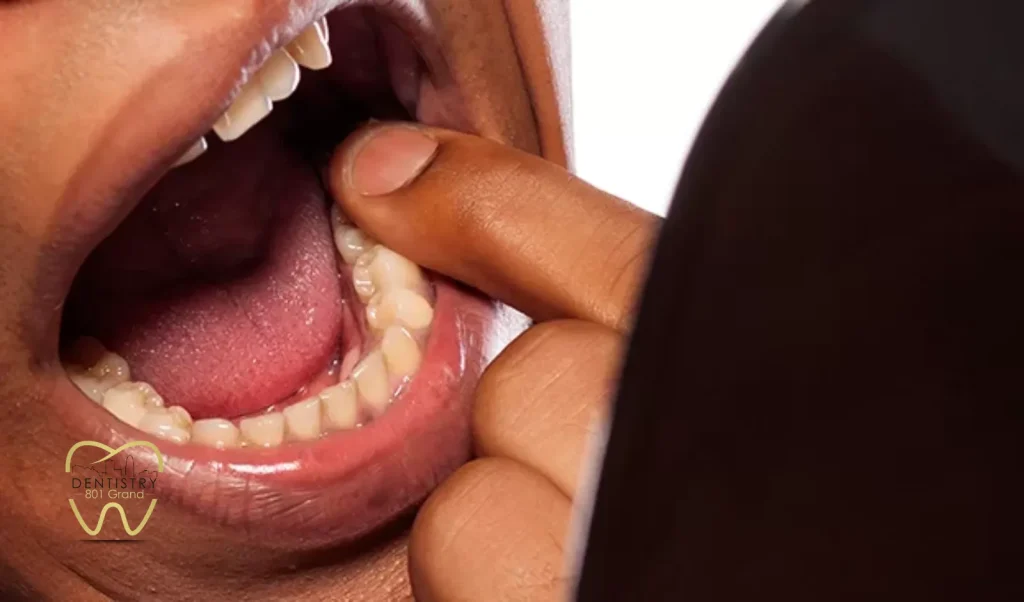
Loose tooth pain can be caused by trauma, gum disease, or grinding. A loose adult tooth is often linked to bone loss and worsening gum problems.
Cold and Tooth Pain
Cold and tooth pain happen when the enamel wears away or when gum recession exposes the roots. Cold air, drinks, or ice cream can cause a sudden sharp pain.
This is a common sign of tooth sensitivity.

Hole in Tooth Pain
Hole in tooth pain usually means a deep cavity. If this damage is left untreated, it can lead to infection, abscess, or tooth loss.
Sinus Infection
Dry mouth reduces the amount of saliva that protects your teeth. Without enough saliva, bacteria grow faster, increasing your risk of decay and infections.
Related: Why Your Tooth Hurts: Common Causes
Dry Mouth
Dry mouth reduces the amount of saliva that protects your teeth. Without enough saliva, bacteria grow faster, increasing your risk of decay and infections.
Common Tooth Pain Symptoms
Watch for these warning signs:
- Sharp or throbbing dental pain
- Tooth sensitivity to hot and cold
- Swollen gum tissue
- Bad breath that doesn’t improve
- A persistent bad taste in your mouth
- Facial or jaw swelling
Treatment Options for Tooth Pain
The right treatment options depend on the cause of your pain. Some conditions may require:
- Fillings for cavities
- Deep cleaning for gum disease
- Root canals to save badly infected teeth
- Antibiotics for bacterial infection
- Tooth extraction in severe cases
At home, temporary pain relief may come from rinsing with warm salt water or using cold compresses on the outside of your cheek.
Final Thoughts
Tooth pain should never be ignored. Whether it is caused by tooth decay pain, tooth cavity pain, tooth infection pain, abscess tooth pain, or an abscessed tooth, early care can prevent permanent damage.
Problems like gum pain by tooth, gum disease and tooth pain, loose tooth pain, cold and tooth pain, and hole in tooth pain are warning signs that your oral health may be at risk.
By understanding the causes of tooth pain, improving habits like brushing your teeth, and watching for symptoms, you can protect your teeth and gums and avoid serious dental issues.
Get Reliable Care When You Need It Most
If your tooth pain isn’t improving or you need more than temporary relief, professional dental care is the safest way to protect your smile. Whether you’re dealing with sensitivity, swelling, or a damaged tooth, a qualified dentist can provide fast and effective treatment and long-term solutions not just short-term fixes.
Don’t wait for the discomfort to worsen. Call Dentistry 801 Grand at (515) 243-3419 to schedule an appointment and get the expert care your teeth and gums deserve. They’re here to help you feel better, stay healthy, and smile confidently again.
Frequently Asked Questions
Why does my tooth hurt when I bite down?
Pain when biting may be caused by a cracked tooth, cavity, infection, or inflammation around the tooth. We recommend a dental examination to identify the source of the pressure-related pain.
Can stress or teeth grinding cause tooth pain?
Yes. Stress-related teeth grinding or clenching can put extra pressure on your teeth and jaw. This may lead to soreness, sensitivity, or headaches. We can check for signs of grinding and recommend appropriate treatment.
Why do several of my teeth hurt at the same time?
Pain affecting multiple teeth may be linked to gum inflammation, teeth grinding, or sinus pressure. We can examine your teeth and gums to determine whether the discomfort comes from a dental problem.
Can a tooth infection cause jaw or ear pain?
Yes. Pain from an infected tooth can spread to nearby areas, including the jaw or ear. If you also notice swelling, fever, or worsening discomfort, we recommend seeking dental care promptly.
Why does my toothache come and go?
Tooth pain may come and go because of early decay, sensitivity, or irritation inside the tooth. Even if the discomfort disappears, the underlying problem may remain. We recommend having recurring tooth pain evaluated before it worsens.