


Toothaches can interrupt your day, make eating difficult, and keep you awake at night. When discomfort strikes, many people search for medicine for tooth pain, tooth pain medicine, or try to figure out what to take for tooth pain that works quickly. While medication can offer temporary relief, the most important step is identifying the cause behind the pain.
Understanding the best way to manage discomfort, and which options are safest, helps you protect your oral health until you can get professional care.
Why Tooth Pain Happens
Tooth pain can develop from many sources, including cavities, cracked enamel, gum problems, or irritation after dental procedures. Sometimes the discomfort is caused by trapped food or inflammation around the nerve. Even after a tooth extraction, mild soreness is normal.
Since each situation is different, tooth pain medication may help reduce symptoms, but it cannot repair a damaged tooth. That’s why long-term relief requires a proper dental exam.
Best Medication Options for Tooth Pain
Different medications work in different ways. Some reduce swelling, while others block pain signals. The best choice depends on your symptoms and overall health.

1. Ibuprofen for Tooth Pain (Advil)
Many people consider ibuprofen for tooth pain one of the best meds for tooth pain because it helps with both pain and inflammation. Advil and other ibuprofen products work by reducing inflammation, which often decreases pressure around the affected nerve.
Because of this dual action, ibuprofen is often the best pain reliever for tooth pain for many short-term situations, especially when swelling is involved.
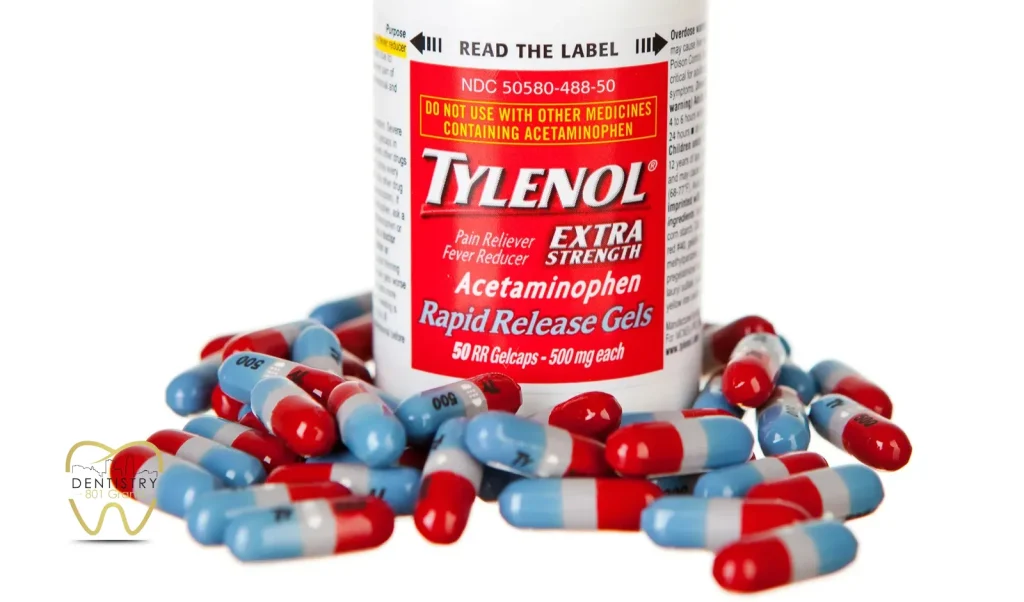
2. Acetaminophen (Tylenol)
If you cannot take ibuprofen, acetaminophen is a reliable alternative. While it does not target inflammation, it is effective for reducing pain and is gentle on the stomach. Many patients use small amounts of acetaminophen safely when recommended.
3. Combining Medications
Dentists sometimes suggest alternating ibuprofen and acetaminophen for stronger pain management. When used correctly, this approach can offer better relief than either medication alone. However, you should only combine medications if you understand proper timing and dosing.
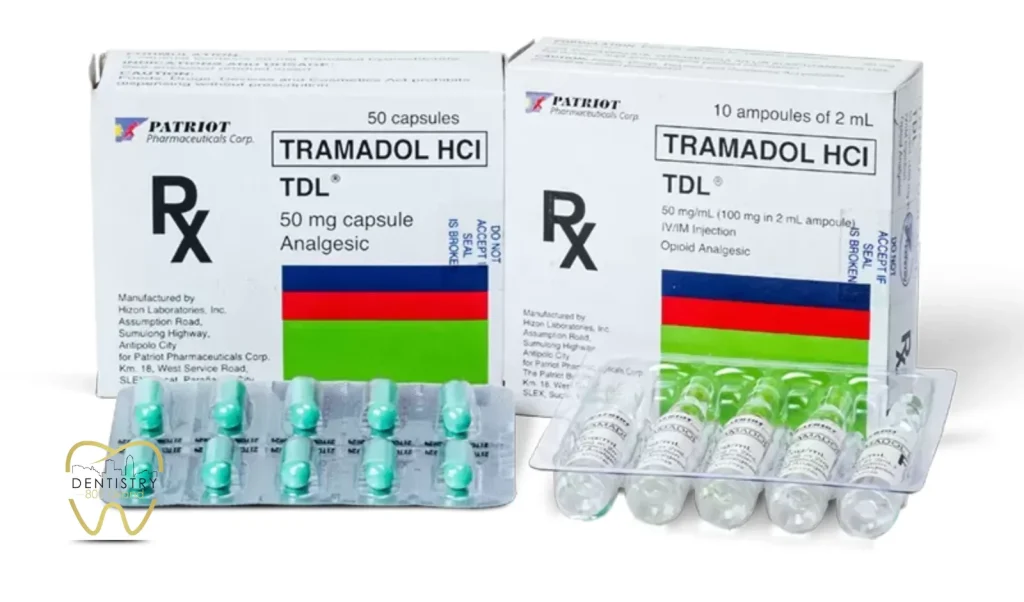
4. When Dentists May Prescribe Stronger Medicine
For severe toothaches or infections, dentists may prescribe stronger medications. One option is tramadol for tooth pain, though it is used with caution. Tramadol can help in serious cases, but it may cause side effects such as dizziness, nausea, or drowsiness. Because of these risks, tramadol is never a first choice and is only for short-term use.
Prescription medicine can reduce pain, but resolving the underlying problem, such as an infection or deep cavity, is still necessary.
Temporary Relief and Home Remedies
Medication is only one part of managing a toothache. Several simple at-home methods can help keep you comfortable until your dental appointment.

Salt Water Rinses
A saltwater rinse is one of the safest ways to soothe discomfort. Gently rinsing your mouth with warm salt water helps clean the affected area, reduce bacteria, and calm irritated tissue.

Cold Compresses
Placing cold compresses on the outside of your cheek can help slow swelling and temporarily relieve tooth pain. This is especially helpful after an injury or a recent dental procedure.

Clove Oil
Some people use clove oil for mild toothaches. Applying a drop of diluted clove oil to a cotton ball and placing it near the irritated area may reduce sensitivity. While it won’t fix the problem, it can make the discomfort more manageable.
Over-the-Counter Pain Medication
If you’re waiting to see a dentist, counter pain medication such as ibuprofen or acetaminophen can help reduce discomfort until you receive proper treatment.
These methods only offer short-term help. If pain persists, a dental visit is essential.
When to See a Dentist
You should schedule an appointment with Dentistry 801 Grand as soon as possible if:
- Pain lasts more than one to two days
- You notice swelling or a bad taste
- There is sensitivity to hot or cold
- A dental injury exposes the inner layers of the tooth
- Pain becomes severe despite medication
Delaying treatment can allow the issue to worsen and may lead to infections or more complex dental procedures later.
Final Thoughts
Tooth pain can be frustrating, but the right tooth pain relief medicine and simple home remedies can make the discomfort easier to manage. Medications like ibuprofen, acetaminophen, and temporary solutions such as saltwater rinses or cold compresses can provide short-term relief, but they don’t solve the underlying issue. If the pain continues, worsens, or is paired with swelling or sensitivity, it’s important to see a dentist promptly. Getting professional care ensures you address the true cause of the problem and protect your long-term oral health.
Looking for Lasting Relief? Reach Out to Dentistry 801 Grand Today
If your tooth pain isn’t improving or you’re looking for a dependable long-term fix, the team at Dentistry 801 Grand is here to support you. Their skilled dental professionals can identify what’s causing your discomfort and recommend the most effective treatment for quick, lasting relief.
Call today: (515) 243-3419
Don’t let the pain intensify, contact them now and keep your smile healthy with caring, reliable dental attention.