

Quick Answer
How do you know if you have a dry socket?
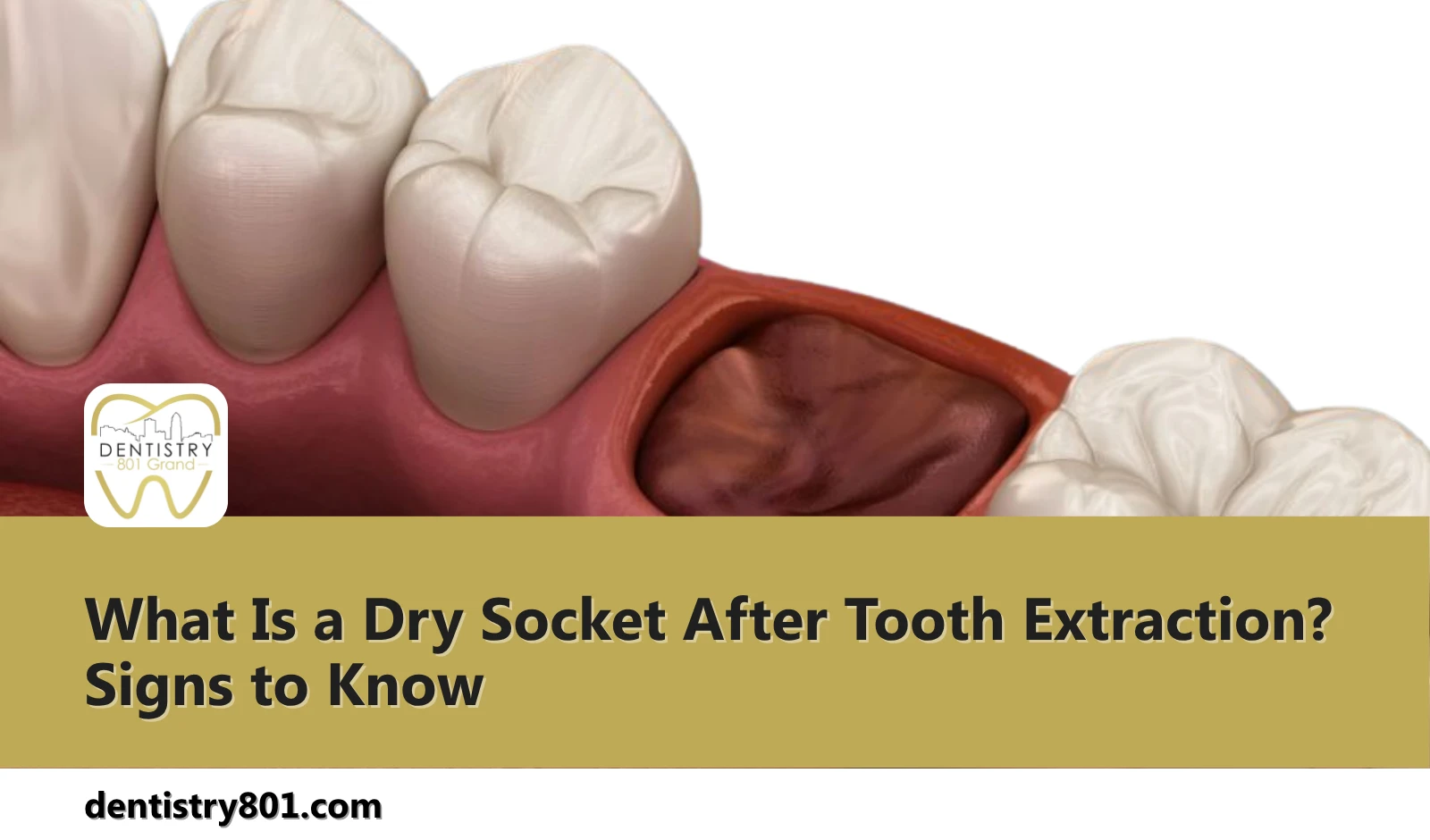
Severe pain that becomes worse a few days after a tooth extraction may be a sign of a dry socket. Other symptoms include visible bone inside the extraction site, bad breath, an unpleasant taste in the mouth, or pain that spreads to the jaw or ear. A dentist should evaluate these symptoms as soon as possible.
Key Takeaways
- A dry socket is a possible complication after a tooth extraction.
- It happens when the protective blood clot is lost too early.
- Pain often begins one to three days after the procedure.
- Following aftercare instructions may help lower the risk.
- Prompt treatment can relieve discomfort and support healing.
- Contact your dentist if the pain suddenly becomes worse.
After a tooth is removed, your body immediately begins the healing process. One of the first steps is when a blood clot forms inside the empty socket. This clot protects the area while new tissue grows and the gums begin to heal.
If the clot becomes dislodged or dissolves too soon, the underlying bone and nerve tissue can become exposed. This condition is known as alveolar osteitis, more commonly called a dry socket. Although it does not happen after every extraction, it can cause significant discomfort and may require treatment from a dental professional.
Why Does a Dry Socket Happen?
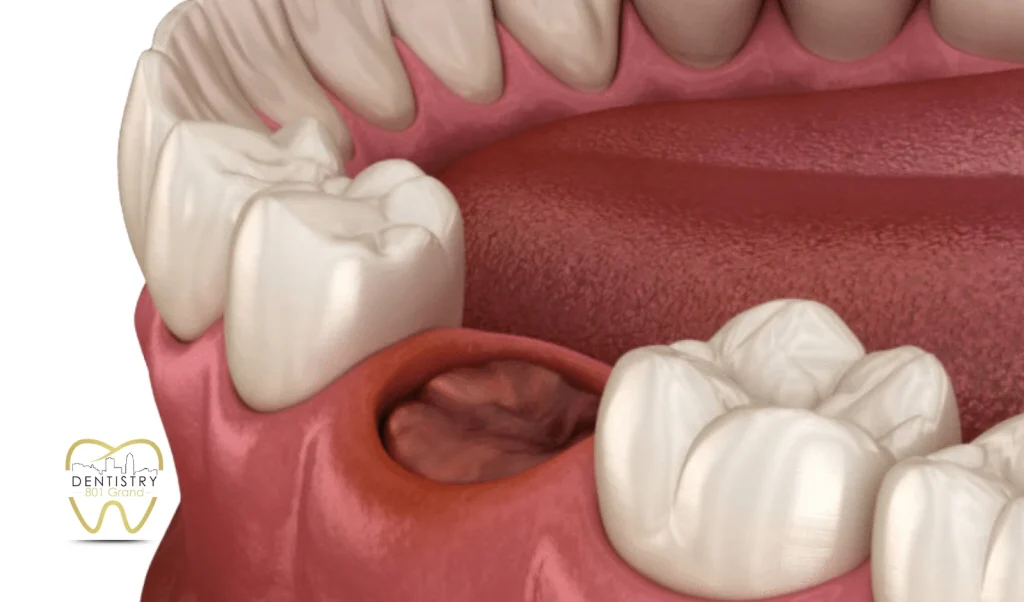
The blood clot that develops after a tooth extraction plays an important role in healing because it protects the bone and nerves beneath the gums. When the clot no longer stays in place or fails to develop properly, the healing area is left unprotected. The exposed bone is more sensitive to air, food, and bacteria, which can lead to increased pain and slower healing.
While a dry socket can happen after any extraction, it is more commonly associated with difficult tooth extractions, including wisdom teeth.
What Are the Symptoms of a Dry Socket?
The symptoms of dry socket usually appear one to three days after the procedure rather than immediately after the tooth is removed.
Common signs include:
- Severe pain that continues to worsen
- Pain that spreads to the jaw, ear, or side of the face
- Visible bone inside the socket
- Bad breath
- An unpleasant taste in the mouth
- A socket that appears empty because the clot is missing
If these symptoms develop, contact your dental office promptly.
Who Has a Higher Risk of Developing a Dry Socket?
Not everyone experiences this complication, but certain factors can increase the chance of developing dry socket.
You may have a higher risk if you:
- Smoke or use tobacco products
- Use a straw too soon after the procedure
- Rinse your mouth too forcefully
- Have difficulty following the aftercare instructions
- Have previously experienced a dry socket
- Undergo a more complex extraction
Your dentist or oral surgeon can discuss your individual risk before treatment.
How Can You Help Prevent a Dry Socket?
Carefully following your aftercare instructions is one of the best ways to prevent dry socket and support healthy healing.
Your dentist may recommend that you:
- Rest during the first 24 hours
- Avoid smoking while healing
- Do not drink through a straw
- Eat soft foods
- Avoid vigorous rinsing on the first day
- Keep the area clean as instructed
After the first day, gently rinsing with salt water may help keep the mouth clean without disturbing the healing tissues.
How Is a Dry Socket Treated?
Treatment focuses on reducing discomfort while allowing the extraction site to continue healing naturally.
Depending on your symptoms, your dentist may:
- Clean the socket
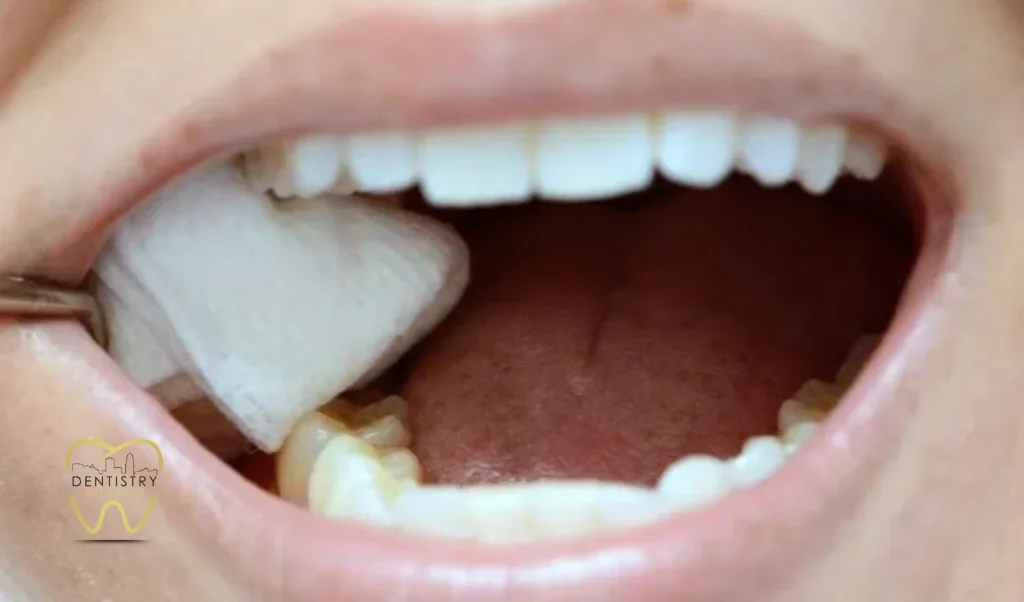
- Place a medicated dressing
- Recommend pain management options
- Provide instructions for home care
- Schedule follow-up visits if needed
Most people begin feeling better within a few days after treatment.
How Long Does Healing Take?
Healing varies from person to person, but discomfort usually begins improving shortly after treatment.
As new tissue develops, the area where the tooth was pulled gradually closes and becomes less sensitive. Following your dentist’s instructions can help support a smooth recovery.
When Should You Call Your Dentist?
Some soreness after removing a tooth is completely normal. However, worsening pain several days later is not.
Contact your dentist if you experience:
- Severe pain that continues to increase
- Persistent bleeding
- Swelling that becomes worse
- Fever
- Difficulty opening your mouth
- A foul taste or odor that does not improve
Receiving care early can help reduce discomfort and prevent additional complications.
Final Thoughts
A dry socket is one of the most common complications that can occur after a tooth extraction, but it is also treatable. Recognizing the warning signs and carefully following your aftercare instructions can help lower the risk while supporting proper healing.
If your discomfort becomes worse instead of improving after an extraction, schedule an evaluation as soon as possible. Prompt treatment can help relieve pain and keep your recovery on track.
Concerned About Your Healing? Let Us Help
If you are experiencing pain after a tooth extraction or think you may have a dry socket, Dentistry 801 Grand is here to help. Our team can evaluate the extraction site, recommend the right treatment, and support a comfortable recovery.
Call us today at (515) 243-3419 to schedule your appointment.
Frequently Asked Questions
What is a dry socket in tooth extraction?
A dry socket occurs when the blood clot that normally protects the extraction site is lost too early, exposing the bone underneath and causing significant pain.
How soon can a dry socket develop?
Most dry sockets develop within one to three days after a tooth extraction, although healing varies from person to person.
Is a dry socket dangerous?
A dry socket is not usually dangerous, but it can be very painful and should be evaluated by a dentist to help relieve discomfort and support healing.
Can I prevent a dry socket?
While it cannot always be prevented, following your dentist’s aftercare instructions, avoiding smoking, and eating soft foods during recovery may lower the risk.
Will a dry socket heal on its own?
The area will eventually heal, but professional treatment often helps reduce pain and makes the healing process more comfortable.
Can I brush my teeth after a tooth extraction?
Yes. You can usually brush your teeth carefully while avoiding direct contact with the extraction site until your dentist says it is safe
What foods should I eat after a tooth extraction?
Soft foods such as yogurt, mashed potatoes, applesauce, scrambled eggs, and soup are commonly recommended during the early healing period.