

Quick Answer
How long does healing after a tooth extraction take?
Most people begin feeling better within a few days, while complete healing can take several weeks depending on the type of extraction and your overall health. Following your dentist’s aftercare instructions helps support a smooth recovery.
Key Takeaways
- Healing after tooth extraction happens in several stages.
- Protecting the blood clot is essential during the first day.
- Good oral hygiene and soft foods support recovery.
- Following your dentist’s instructions lowers the risk of complications.
- Know the warning signs that require professional care.
- Most patients recover without major problems.
Having a tooth removed is a common dental procedure, but knowing what to expect afterward can make recovery much easier. Understanding tooth extraction healing helps you recognize what is normal and what may require a call to your dentist.
Your body begins repairing the area immediately after the tooth is removed. By following your aftercare instructions and giving your mouth time to heal, you can support a comfortable recovery and reduce the risk of complications.

The First Stage of Healing
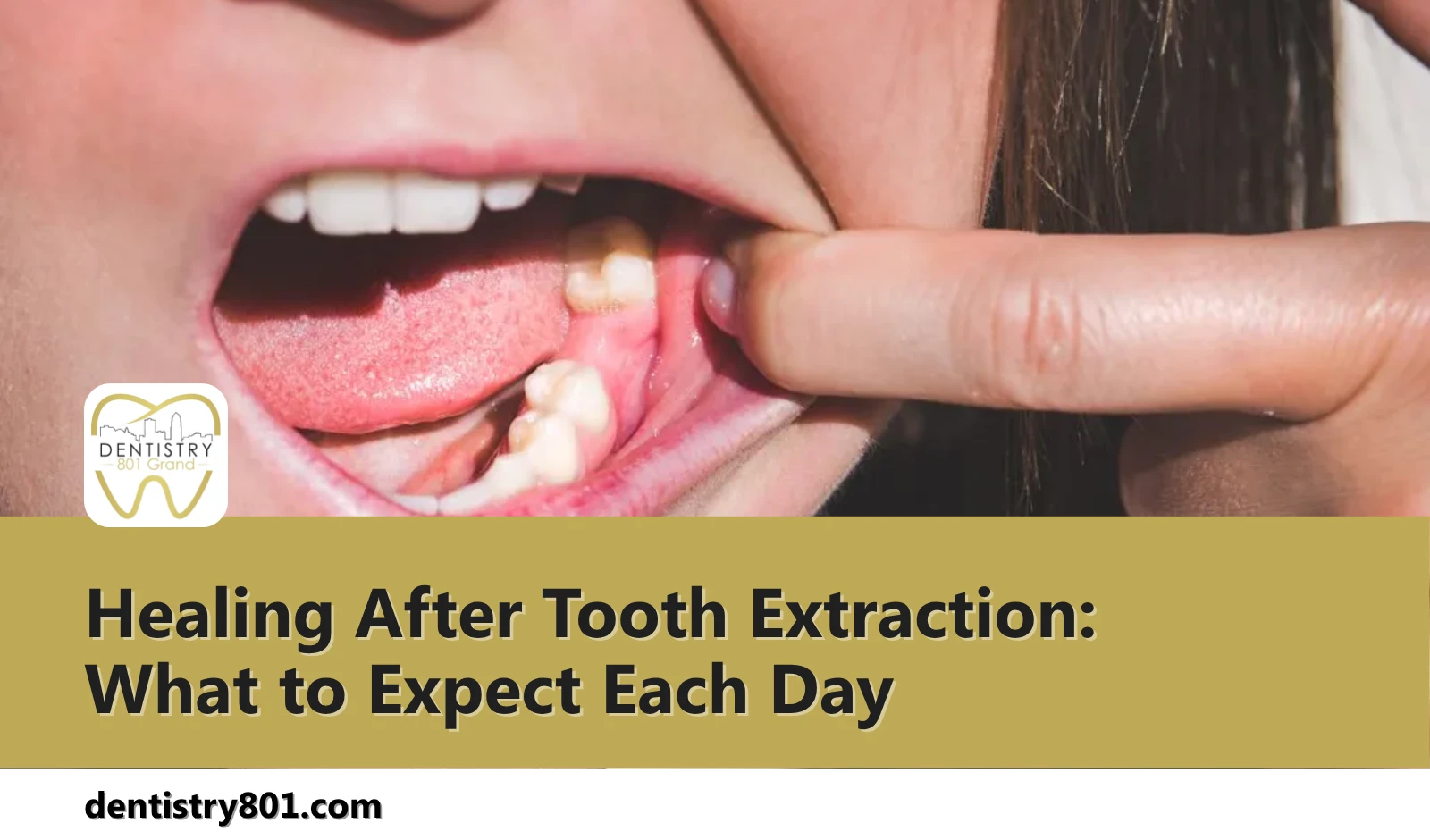
The first 24 hours after the extraction are the most important part of recovery. During this time, a blood clot forms inside the extraction site, protecting the underlying bone and nerves while the healing process begins.
To help protect the clot and encourage extraction healing, your dentist may recommend:
- Bite gently on gauze pads as instructed.
- Apply ice packs for about 20 minutes at a time to reduce swelling.
- Rest for the remainder of the day.
- Avoid disturbing the extraction area with your tongue or fingers.
- Follow all aftercare instructions carefully.
These simple steps help protect the empty tooth socket and allow new gum tissue to begin forming naturally.
During this early stage, it is normal for the extraction site to feel tender or slightly swollen. The protective blood clot acts like a natural bandage, shielding the underlying bone and nerves while your body begins repairing the area. Keeping the clot in place is one of the most important parts of a successful recovery.
Supporting a Healthy Recovery at Home
Taking care of your mouth after tooth extractions plays an important role in healing. Good habits help reduce discomfort while supporting healthy tissue repair.
Some helpful recovery tips include:
- Begin eating soft foods during the first few days.
- Keep yourself hydrated.
- After the first day, gently rinse with warm salt water as directed.
- Continue good oral hygiene, avoiding direct brushing over the extraction site until your dentist advises otherwise.
- Avoid vigorous rinsing of your mouth during the early stages of recovery.
These simple habits support both your recovery and your long-term oral health, helping the area heal as comfortably as possible.
What Is Normal During the Healing Process?
Every person heals at a slightly different pace, but most people experience similar changes after a tooth extraction. Mild discomfort, slight swelling, and light bleeding are common during the first day and usually improve over the next several days.
As the healing process continues, new tissue gradually covers the extraction site while the area becomes less sensitive. Swelling should slowly decrease, and normal activities can usually be resumed as your dentist recommends. Following your aftercare instructions gives your mouth the best chance to heal without complications.
As healing continues, the extraction site gradually becomes smaller as new gum tissue fills the space. Although the surface may appear healed within a few weeks, the bone underneath continues to strengthen for a longer period, especially after more complex extractions.
Warning Signs You Should Not Ignore
Although most recoveries are uneventful, it’s important to recognize when something may not be healing normally. Contacting your dentist early can help prevent more serious problems.
You should contact your dentist if you notice:
- Bleeding that does not slow down.
- Severe pain that becomes worse instead of better.
- Fever or other signs of infection.
- Swelling that continues increasing after several days.
- A foul taste or odor coming from the extraction site.
If any of these symptoms occur, don’t wait to call your dentist. Prompt treatment can help protect your recovery and prevent additional complications.
Healthy Habits That Protect Your Smile
Once the first few days have passed, continuing good daily habits helps the extraction site finish healing while protecting the rest of your smile.
To support recovery:
- Brush the rest of your teeth carefully.
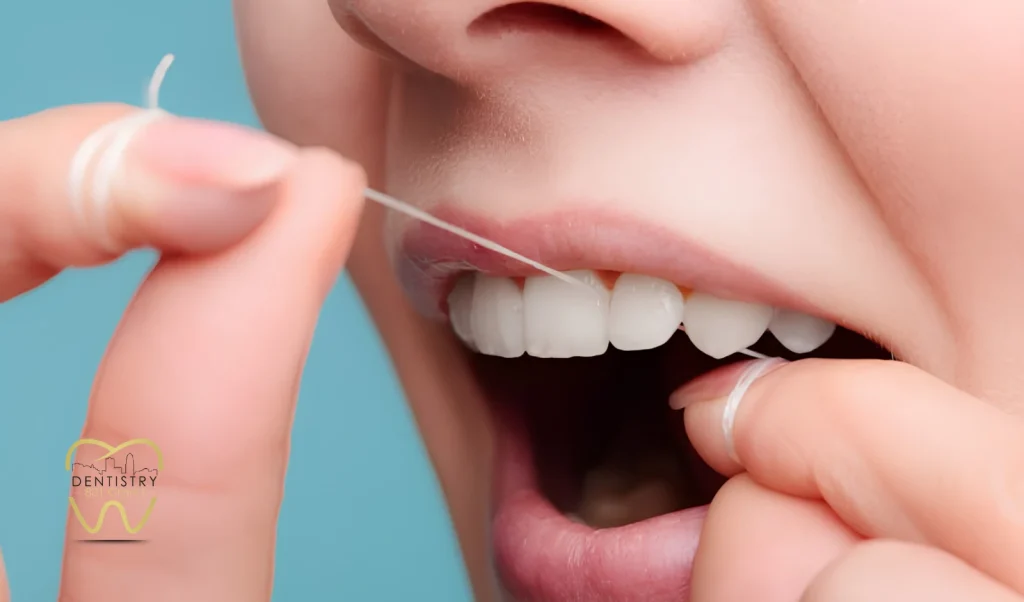
- Continue flossing where comfortable.
- Eat a balanced diet as you gradually return to normal foods.
- Attend any recommended follow-up appointments.
- Continue practicing good oral hygiene every day.
Following these simple habits helps your mouth recover while supporting healthy teeth and gums for the future. Keeping up with routine dental visits also allows your dentist to monitor your recovery and confirm that the extraction site is healing as expected. Regular checkups help maintain your long-term oral health after treatment.
Final Thoughts
Recovering after a tooth extraction is usually straightforward when you follow your dentist’s instructions. Protecting the blood clot, eating soft foods, keeping the area clean, and recognizing warning signs all play an important role in a successful recovery.
If you ever have questions during healing or notice unusual symptoms, contact your dental team promptly. Early guidance can help ensure your recovery stays on track and your smile remains healthy.
Support a Healthy Recovery After Your Tooth Extraction
Recovering from a tooth extraction is easier when you know what to expect and follow the right aftercare steps. Protecting the extraction site, keeping your mouth clean, and attending follow-up appointments can help promote comfortable healing and reduce the risk of complications.
At Dentistry 801 Grand, we’re committed to helping you through every stage of your recovery. Our team provides personalized aftercare instructions, answers your questions, and ensures your healing stays on track. If you need guidance after your procedure or would like to schedule an appointment, call (515) 243-3419 today.
Frequently Asked Questions
How long does healing after a tooth extraction usually take?
Most patients begin feeling better within a few days, but complete healing may take several weeks depending on the type of extraction and your overall health.
Can I brush my teeth after a tooth extraction?
Yes. Continue brushing your teeth, but avoid the extraction site until your dentist tells you it is safe to clean the area normally.
When can I rinse my mouth after a tooth extraction?
Your dentist will usually recommend waiting until the day after your extraction before gently rinsing with warm salt water.
How do I know if my extraction is healing properly?
Mild soreness and swelling that gradually improve are normal. If your symptoms become worse instead of better, contact your dentist.
When should I call my dentist after a tooth extraction?
Call your dentist if you experience severe pain, excessive bleeding, fever, worsening swelling, or any other symptoms that concern you.