


Tooth pain when eating is something many people experience, and it can make meals stressful. Some feel tooth pain when chewing while others feel sharp pain when eating sweets or even mild foods. Drinking hot or cold drinks can also trigger discomfort. These signs often point to deeper dental problems, and understanding them can help protect your oral health. This article will help you understand why tooth pain happens and explore treatment options to ease it.
Why People Look for Home Solutions
When pain appears suddenly, many people try home care before seeing a dentist. This often happens with tooth pain when eating sweets or biting into something hard. Sensitive teeth or gum recession can make eating or drinking uncomfortable, so temporary solutions are attractive. Some avoid citrus fruits, cold drinks, or sugary foods because they worsen pain. Home steps feel convenient when visiting a dentist is not immediately possible.
When Tooth Pain Becomes a Problem
Persistent tooth pain usually indicates a more serious issue. Pain caused by gum disease, tooth decay, enamel erosion, or a cracked tooth does not go away on its own. When tooth pain becomes sharp or appears every time you chew or eat sweets, the inner layers of the tooth may be exposed. This happens when tooth enamel weakens or bacteria enter deeper areas. Ignoring these signs can make eating or drinking more painful. Only proper treatment options from a dentist can solve these issues permanently.

Common Causes
Several dental issues can trigger tooth and gum pain, and understanding them helps you identify the right treatment.
- Tooth decay is a main reason for tooth pain when eating. Sugar reacts with exposed dentin, causing sharp tooth pain when eating sweets.
- Sensitive teeth occur when enamel thins. Cold foods, sweet snacks, and even breathing in cold air can trigger pain.
- Gum disease causes swelling and tenderness in the gums, making chewing uncomfortable.
- Gum recession exposes tooth roots. Exposed roots are not protected by enamel and are sensitive during eating or drinking.
- Enamel erosion happens when acids wear away enamel. Acidic drinks, citrus fruits, and brushing too hard can increase sensitivity.
- A cracked tooth can create sudden sharp pain, especially when pressure is applied while chewing.
Why Some Pain Becomes Severe
Pain becomes severe when enamel wears down or bacteria reach the dentin and inner nerve. Eating sweets or acidic foods can trigger strong reactions. Gum recession and receding gums increase sensitivity. Chewing can be painful even with soft foods. Severe pain usually means the dental issues are progressing and need attention.
Best Ways to Ease Tooth Pain at Home
Home care can help temporarily, but cannot replace treatment options.
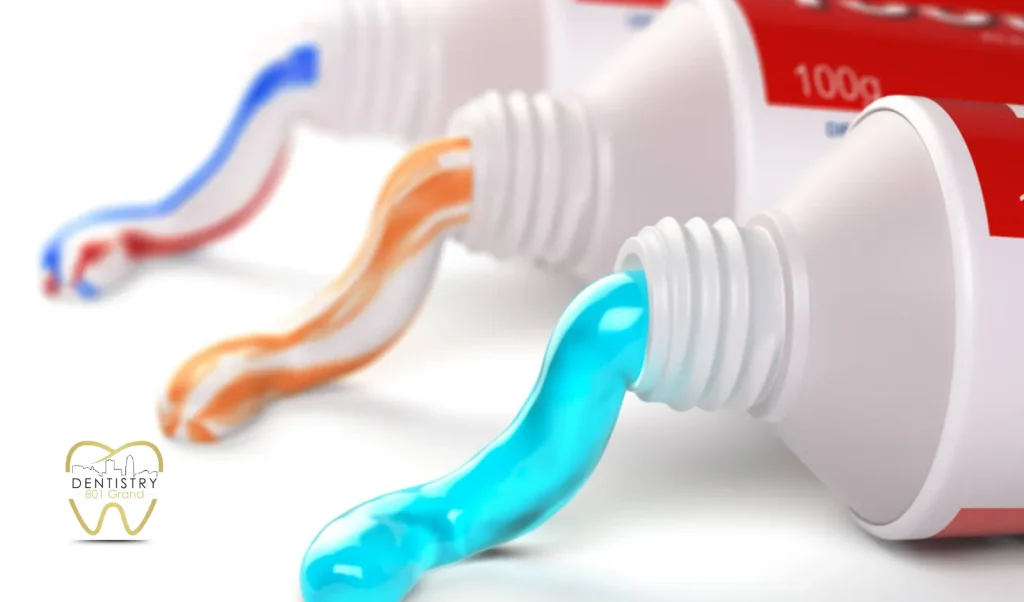
1. Toothpaste for Sensitive Teeth or Desensitizing Toothpaste
This toothpaste reduces pain by blocking signals to the tooth nerve. It can help when eating or drinking and is useful for sensitive teeth. Some people use desensitizing toothpaste regularly for long-term comfort.
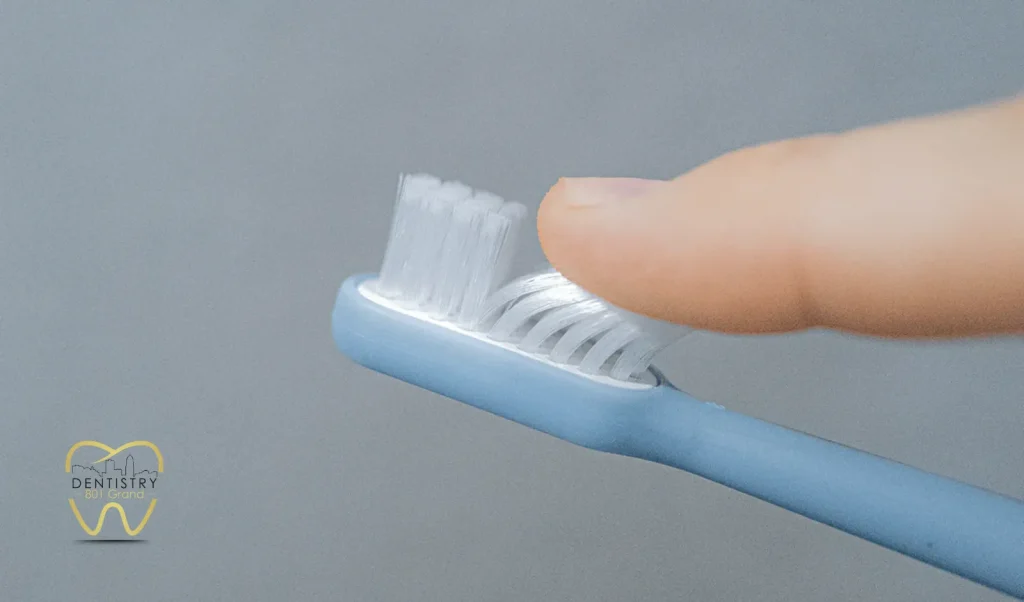
2. Soft Bristled Toothbrush
A soft-bristle toothbrush is gentle on gums and helps prevent gum recession. Hard brushing can worsen receding gums and sensitivity.
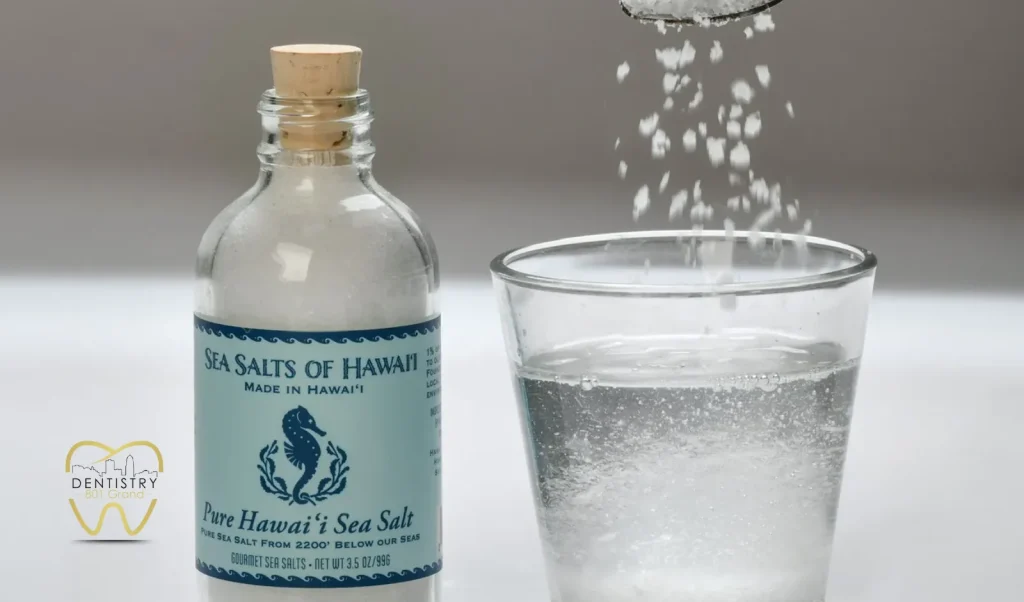
3. Salt Water Rinse
A warm saltwater rinse can soothe irritated gums and reduce bacteria. It is a simple way to relieve tooth pain when eating or chewing.

4. Avoiding Trigger Foods
If eating sweets or acidic foods causes pain, avoid them until your pain improves. Citrus fruits, sugary snacks, and very cold drinks can irritate sensitive teeth.
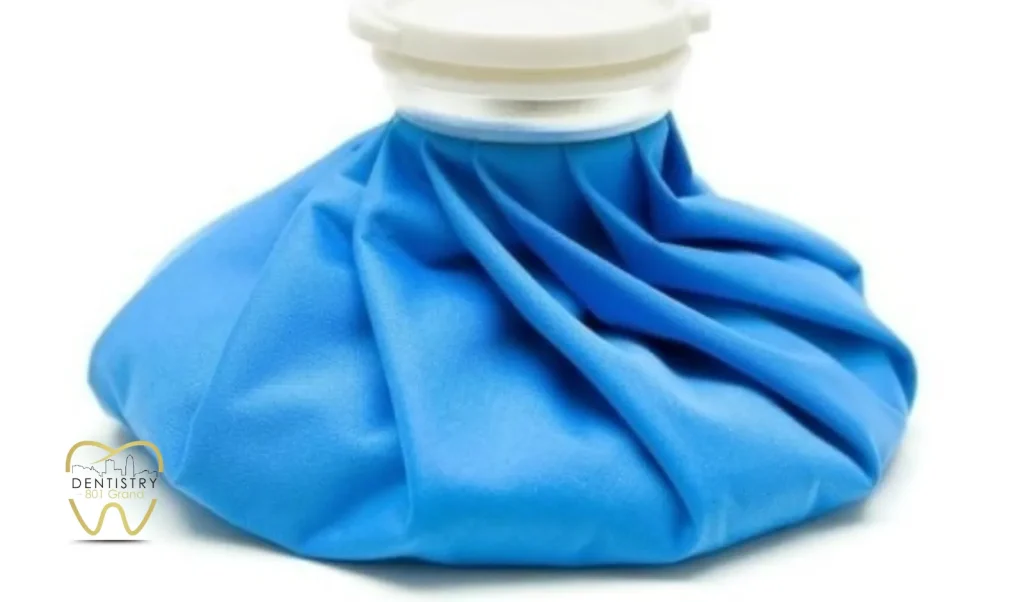
5. Cold Compress
A cold compress on the cheek can reduce swelling and calm discomfort from dental issues.
What Not To Do
- Do not apply heat to the painful area, as it can increase inflammation.
- Do not ignore tooth pain when eating or when eating sweets.
- Do not continue eating foods that trigger discomfort, including acidic or sugary snacks.
Unbearable Tooth Pain: What To Do at Home When Pain Is Too Much
If pain is severe, constant, or interrupts eating or drinking, it may indicate serious dental problems. Deep tooth decay, gum disease, enamel erosion, or a cracked tooth can cause intense discomfort. Pain that worsens when eating sweets often means enamel is damaged or dentin is exposed.
Warning Signs That You Need a Dentist
- Pain lasting more than two days
- Swelling around the gums
- Bleeding during brushing
- Strong tooth pain when eating sweets
- Sensitivity caused by receding gums
- Pain from hot or cold drinks
Conclusion
Tooth pain when eating, especially tooth pain when eating sweets, is common but should never be ignored. Persistent or worsening discomfort can indicate underlying dental issues such as sensitive teeth, enamel erosion, or gum recession. Seeking timely treatment options protects your oral health, dental health, and tooth enamel. A professional evaluation ensures long-term relief and prevents minor dental issues from escalating.

Regain Comfort and Protect Your Smile
If your tooth pain isn’t improving or you need a reliable long-term solution, the team at Dentistry 801 Grand is ready to help. Their skilled dental professionals can identify the cause of your discomfort and provide treatment options for fast, lasting relief.
Call (515) 243-3419 today to schedule your appointment. Don’t let tooth pain when eating or tooth pain when eating sweets interfere with your daily life. Contact Dentistry 801 now and protect your smile with compassionate, reliable dental care.