


Quick Answer
What is a dental exam?
A dental exam is a routine visit where a dental professional looks at your teeth and gums to check how everything is doing and to help you stay on track with daily oral care.
Key Takeaways
- Routine visits help track changes in teeth and gums over time
- Exams focus on observation, not immediate treatment
- Cleanings and exams often happen during the same visit but serve different roles
- Simple habits support maintaining good oral health
- Knowing what to expect can make visits feel easier and less stressful
Many people go to the dentist without fully knowing what happens during the visit. Some people think appointments are only needed when something hurts. Others wonder what is a dental exam and why it matters if their mouth feels fine.
Routine dental visits are meant to support awareness. They help people understand what is happening in their mouth and how daily habits affect long-term comfort. When patients know what to expect, dental care feels more manageable and less intimidating.
Dental care is not just about fixing problems. It is also about staying informed and building habits that support comfort and confidence over time.
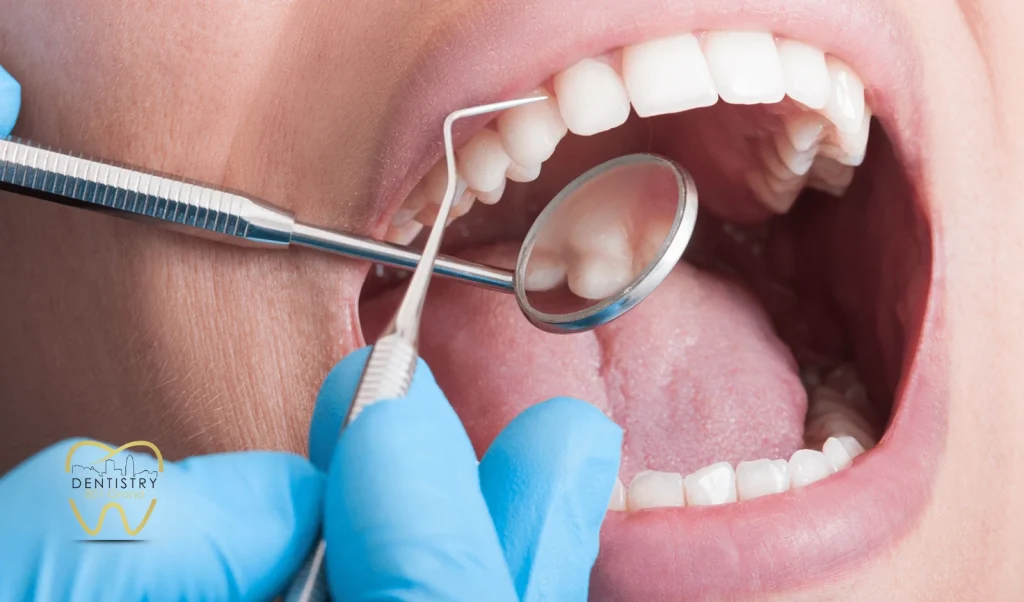
What Happens During a Routine Dental Visit
A routine visit usually includes two main parts: an exam and a teeth cleaning. Each part has a different purpose, but they work best when done together.
During the exam, the dental professional looks closely at your teeth and gums. They check tooth surfaces, existing dental work, and areas that may have changed since your last visit. This helps keep track of oral health issues that may develop slowly over time.
The exam also helps spot patterns related to cavities gum disease, wear from grinding, or areas where brushing and flossing may be harder. The goal is not to rush into a dental procedure but to stay aware of changes as early as possible.
The Role of the Dental Hygienist
The dental hygienist usually handles the cleaning part of the visit. Their job is to clean your teeth and remove plaque buildup that brushing alone may miss. During teeth cleaning, they gently remove buildup, polish your teeth, and help your smile feel smooth and fresh.
Cleanings support oral hygiene by helping reduce buildup that may lead to decay gum disease over time. Some visits may also include fluoride treatments, which are often part of routine dental care.
The hygienist may also share tips about brushing and flossing habits and answer questions about daily care. These conversations help patients feel more confident about caring for their teeth at home.
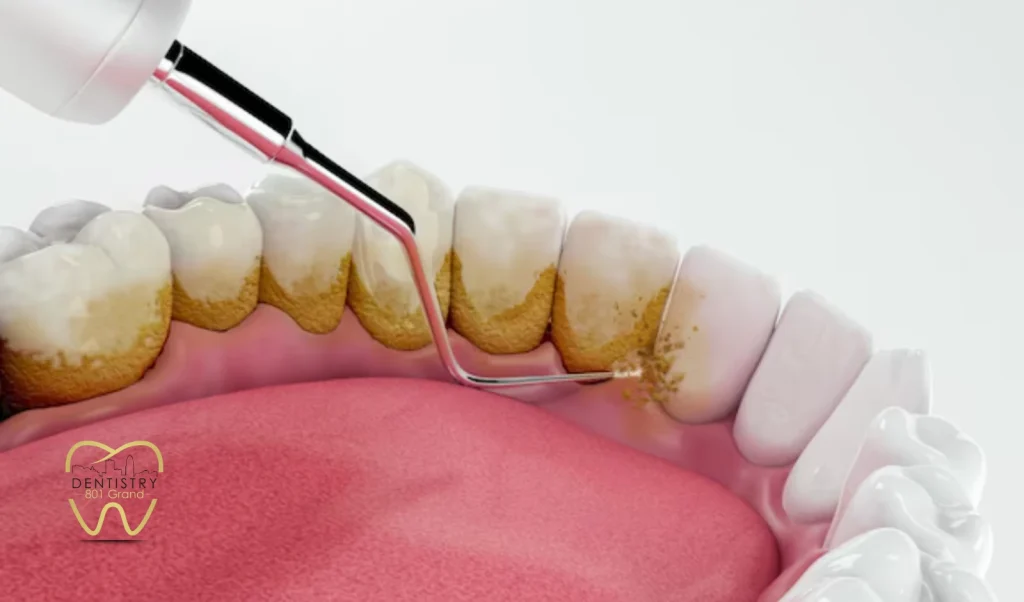
Why Cleanings and Exams Are Not the Same
Even though exams and cleanings often happen during the same visit, they serve different purposes. Dental cleaning focuses on removing buildup and helping clean your teeth. The exam focuses on checking for changes and tracking patterns.
Together, these steps help support maintaining good oral health. Cleanings support daily habits, while exams help provide a clearer picture of what is happening over time. Understanding this difference helps patients see why both parts of the visit matter.
Why Routine Visits Matter Over Time
Small changes in teeth and gums can happen slowly. Routine visits make it easier to notice these changes early and keep track of them before they affect comfort.
Consistency also supports overall health. Oral care is connected to how the rest of the body feels, which is why staying informed matters. Regular visits help people feel more confident that their oral health is being monitored.
Over time, these visits can help reduce the risk of more serious concerns, such as bone loss, by keeping track of patterns early and encouraging steady habits.
How to Prepare for a Dental Visit
Many people ask how to prepare for a dental exam. The good news is that preparation is simple. Keeping up with brushing and flossing at home is usually enough.
Arriving on time and sharing any concerns during the visit can also help. If something feels different or uncomfortable, mentioning it allows the dental team to take note.
Routine visits are designed to fit into everyday life. They are meant to feel supportive, not stressful.
The Bigger Picture of Oral Care
Dental care is about more than just teeth. It includes habits, awareness, and routine visits that support long-term comfort. Oral cancer screenings may be included during some visits as part of a general review of oral health.
By staying consistent, patients can feel more confident about their oral hygiene and daily care. Even when no dental procedure is needed, routine visits help people stay informed and proactive.
At Dentistry 801 Grand, visits are designed to be calm and informative, helping patients understand how dental care fits into their everyday routines without pressure.
Final Thoughts
Routine dental visits help people stay aware of their oral health and feel confident about their care. By understanding what happens during appointments, patients can approach visits with less worry and more clarity.
Building steady habits and keeping up with regular dental exams supports long-term comfort and peace of mind. Dental care works best when it is consistent, simple, and easy to understand.
Stay Consistent With Your Dental Care
Staying consistent with dental care is one of the easiest ways to support long-term comfort. Scheduling routine visits can help keep care simple and predictable.
If it has been a while since your last visit or you have questions about routine appointments, scheduling a check-in can help. Dentistry 801 Grand focuses on clear communication and patient comfort. Call (515) 243-3419 to schedule your visit or ask about routine care.
Frequently Asked Questions
Do I need regular dental exams if I brush and floss daily?
Yes. Brushing and flossing are important, but routine visits help track changes that may not be easy to see at home.
What should I expect during my appointment?
The dental team will review the teeth and gums, look for visible changes, and usually follow the exam with a cleaning.
Is a dental cleaning always included?
Many routine visits include a cleaning, but the exam and cleaning serve different purposes and may be handled separately.
How long does a routine visit usually take?
Most appointments are straightforward and can be completed within a typical visit time.
Why is it important to keep coming back regularly?
Regular visits help maintain consistency, support good habits, and make it easier to notice changes over time.