

Quick Answer
What is a root canal procedure and why might I need one?
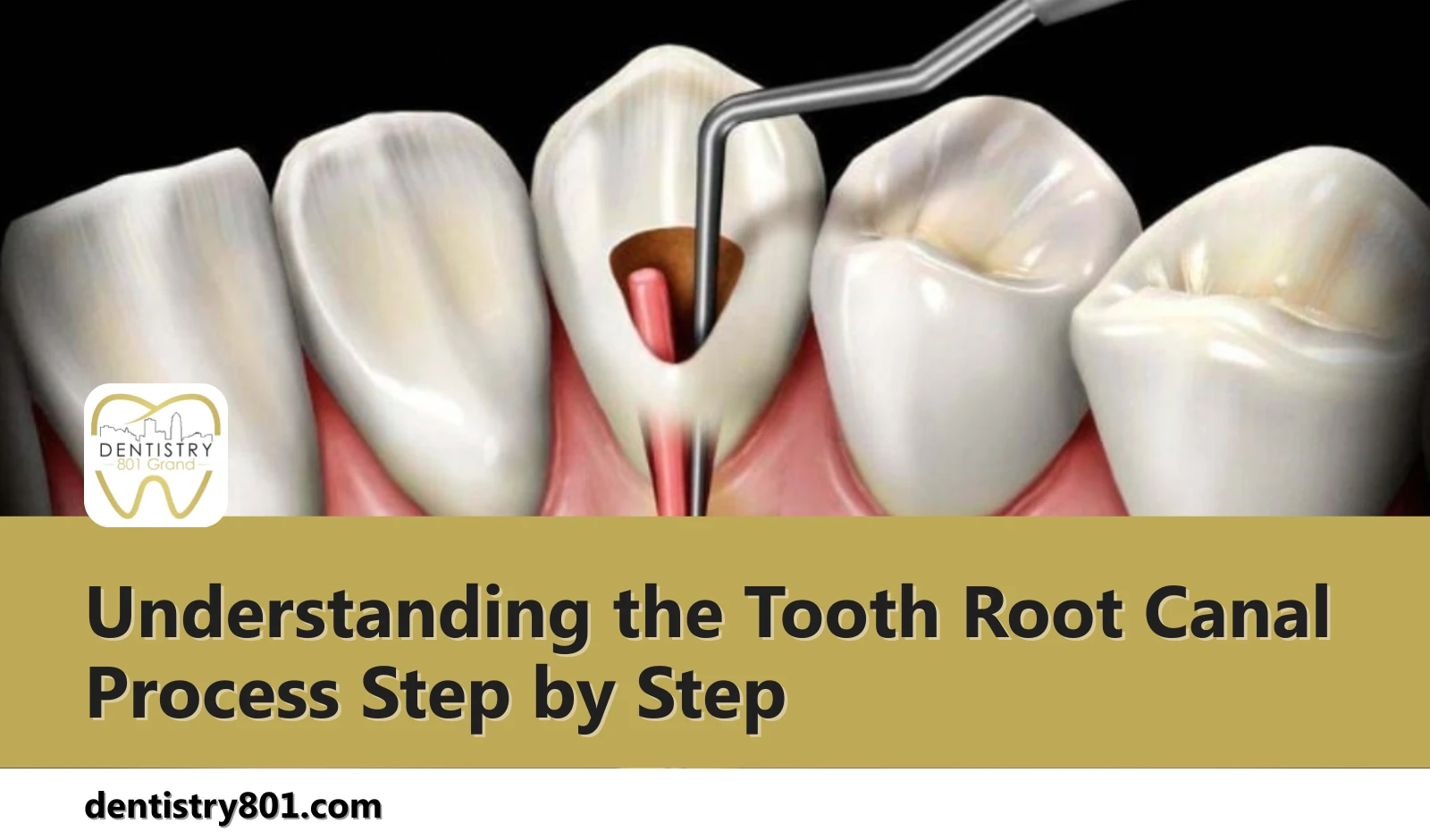
A root canal procedure is a type of dental treatment that addresses issues in the tooth pulp to relieve discomfort and protect the tooth from further damage. It helps preserve your natural tooth while improving oral health.
Key Takeaways
- A root canal treatment targets the soft tissue inside the tooth, called the tooth pulp.
- The procedure can relieve tooth pain caused by deep decay or an infected tooth.
- Modern root canal procedures are safe, efficient, and often similar to a routine dental procedure.
- Early intervention prevents complications if the problem is left untreated.
Tooth pain is one of the most common reasons people visit a dentist, and in many cases, it can be linked to an infected tooth or severe tooth decay. If left untreated, these issues can compromise your oral health and may even lead to the loss of a natural tooth.
Many people feel anxious when they hear about a root canal procedure or endodontic treatment. Understanding what happens during a root canal treatment can help you approach the situation calmly.
A root canal focuses on the soft tissue inside the tooth, called the tooth pulp. This pulp contains nerves and blood vessels, and when it becomes inflamed or infected, it can cause tooth pain, sensitivity to hot or cold, or discomfort when chewing. Early dental care ensures the tooth is protected and helps save your natural tooth.
Dental care for an infected tooth also prevents the problem from spreading to nearby teeth, which helps maintain overall oral health. Addressing issues promptly can reduce the risk of more complicated procedures later and supports long-term protection of the tooth.
Why a Tooth Might Need a Root Canal Treatment
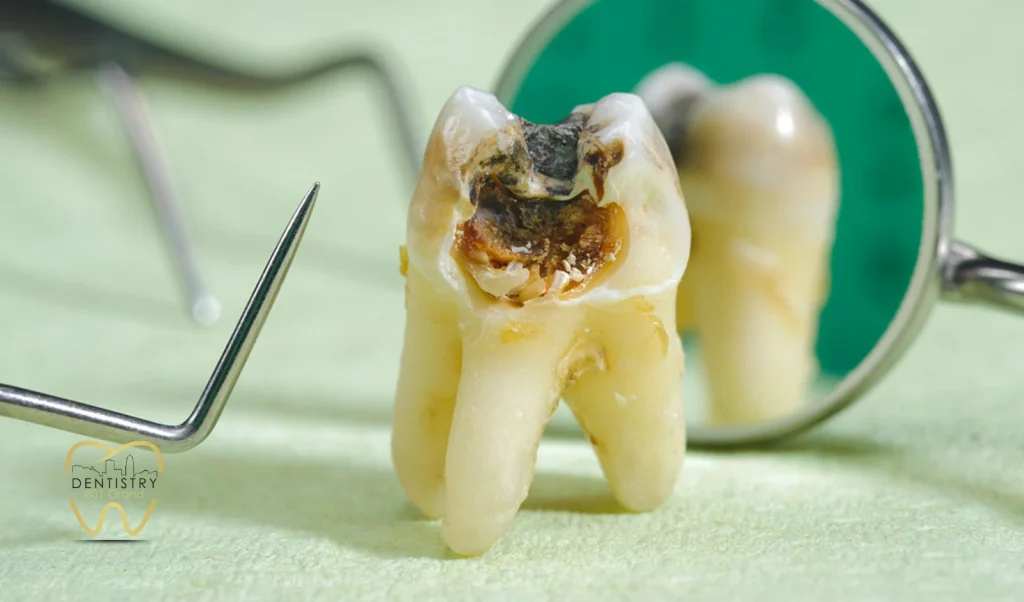
Many people wonder what causes root canal procedures. Common reasons include:
- Deep decay that reaches the tooth pulp
- Repeated dental procedures that irritate the soft tissue
- Trauma to the tooth
- An infected tooth
If left untreated, these problems can worsen, leading to more serious oral health issues. Signs that a root canal may be needed include persistent tooth pain, sensitivity to hot or cold, or swelling around the tooth.
Addressing these issues with a root canal treatment can relieve discomfort, prevent further damage, and protect the tooth for long-term use. Early treatment is key to saving your natural tooth and ensuring it remains functional for years to come.
How a Root Canal Procedure is Done
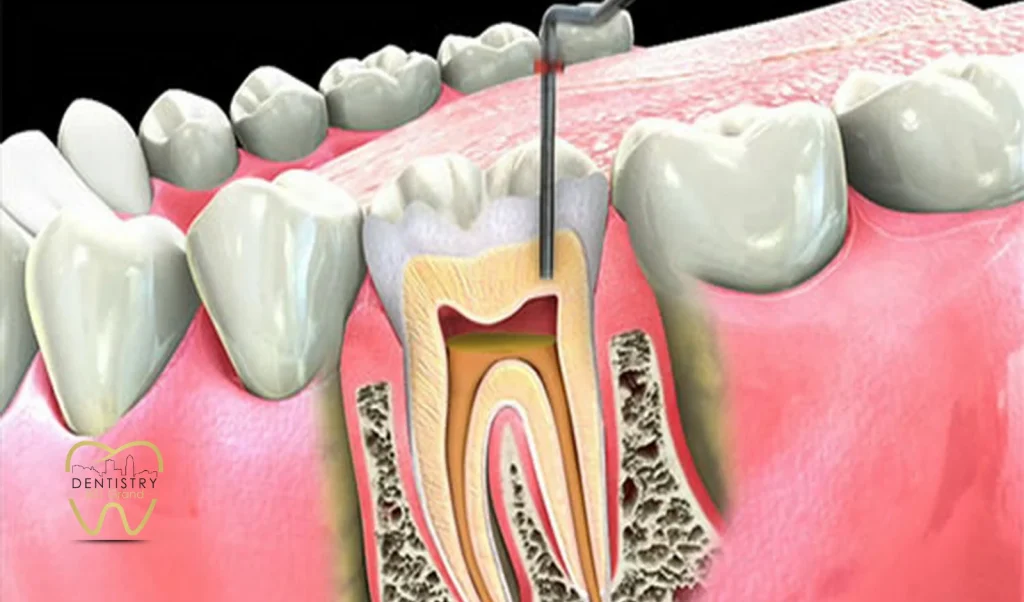
If you are curious about how a root canal is done, the process is straightforward with modern dental care. The procedure typically follows several key steps to ensure the tooth is properly treated:
- Initial Assessment and Planning: Dentists examine the affected tooth, often using X-rays to understand the extent of decay or infection. This step ensures the correct approach for a successful outcome.
- Local Anesthesia Application: Local anesthesia is used to numb the area, ensuring the treated tooth is pain-free throughout the procedure.
- Access and Cleaning of Tooth Pulp: The dentist creates an opening to access the soft tissue inside the tooth. The infected tooth pulp is carefully removed to prevent further issues.
- Shaping and Filling: After cleaning, the canals are shaped and filled with a biocompatible material to protect the tooth. A temporary filling may be placed until a permanent restoration is completed.
- Restoration: The treated tooth is restored with a crown or filling to protect the tooth and restore its function. This step helps maintain proper dental care and preserve the tooth for the long term.
Modern techniques make the root canal treatment efficient, safe, and similar to other dental procedures in terms of comfort.
After the Root Canal Procedure
After a root canal treatment, it is normal to experience mild sensitivity to hot or cold as the treated tooth adjusts. Most patients resume daily activities quickly, though temporary discomfort may occur. Following proper dental care and attending follow-up visits ensures the tooth remains healthy.
Restoring the treated tooth with a permanent filling or crown helps protect the tooth, maintain oral health, and prevent additional issues from developing. Proper care also reduces the risk of reinfection or damage to nearby teeth.
Many patients find that addressing the problem early prevents future complications, allowing the treated tooth to function normally and support overall oral health for years.
Final Thoughts
A root canal treatment may sound intimidating, but it is one of the most effective ways to relieve tooth pain, save your natural tooth, and protect your oral health. Understanding what causes root canal procedures and how a root canal is done helps patients feel more confident about seeking treatment.
A treated tooth can function like any other, allowing you to enjoy normal chewing, biting, and overall dental health. Root canal treatment is a key part of modern dental care, preserving your natural teeth and helping you maintain a healthy smile.
Taking timely action for an infected tooth ensures that complications are minimized and your oral health remains intact. With proper follow-up care and restoration, the tooth can last a lifetime while supporting overall dental function.
Need Professional Care?
If you are experiencing tooth pain or have a tooth that may require a root canal procedure, Dentistry 801 Grand offers comprehensive endodontic treatment and personalized guidance to address your dental needs. Early intervention can help save your natural tooth and restore your oral health. Schedule a consultation today to learn about your options by calling (515) 243-3419.
Frequently Asked Questions
What is the root canal procedure really like?
The procedure is comfortable due to local anesthesia and is similar to other common dental procedures.
How do I know if I need root canal treatment?
Persistent tooth pain, sensitivity to hot or cold, or a history of deep decay may indicate a need for endodontic treatment. A dentist can evaluate your tooth.
Will my treated tooth feel normal afterward?
With proper restoration, the treated tooth functions like a natural tooth, helping you eat, speak, and smile with confidence.
How long does recovery take?
Most patients feel normal within a few days, though mild sensitivity may occur.
Can root canal treatment prevent my future problems?
Yes. Timely root canal treatment helps protect the tooth and maintain oral health, reducing the risk of infection spreading or complications developing.