

Quick Answer
Is jaw pain normal after a root canal?
Yes. Mild jaw discomfort is common after a root canal because the surrounding tissues and jaw muscles may be sore. The discomfort usually improves within a few days, but severe or worsening pain should be evaluated by your dentist.
Key Takeaways
- Mild jaw soreness is common after a root canal.
- Most discomfort improves within a few days.
- Following aftercare instructions supports healing.
- Pain that worsens should be evaluated by your dentist.
- Good oral hygiene helps protect your treated tooth.
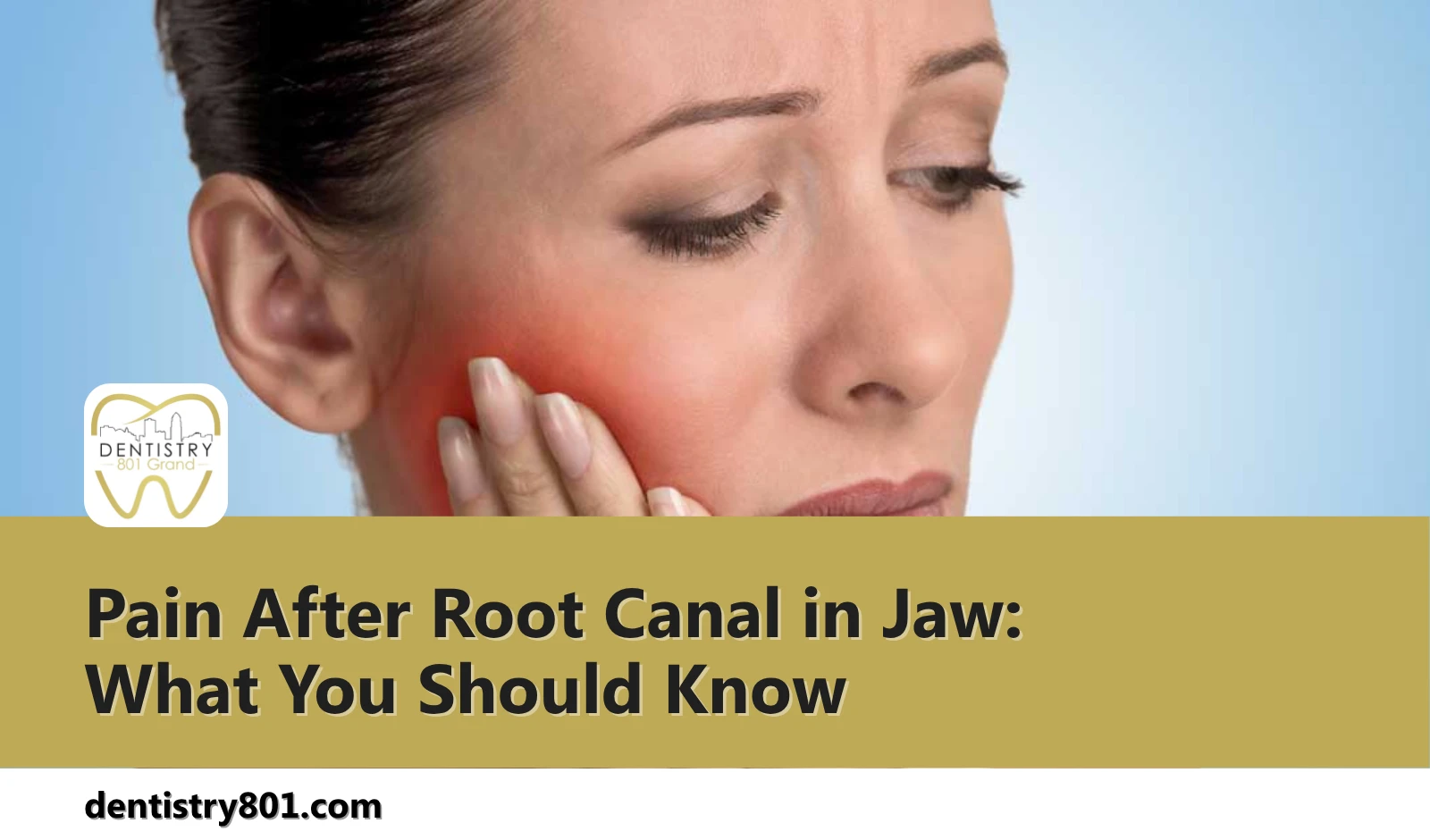
Many patients worry about pain after a root canal in the jaw, especially if the discomfort continues after the numbness wears off. While a root canal removes the source of infection inside the tooth, the surrounding tissues and ligaments may still be inflamed as they begin to recover.
Knowing what is normal after treatment can make recovery less stressful. Understanding why jaw discomfort happens and how to manage it helps you heal with confidence.

Why Can Your Jaw Hurt After a Root Canal?
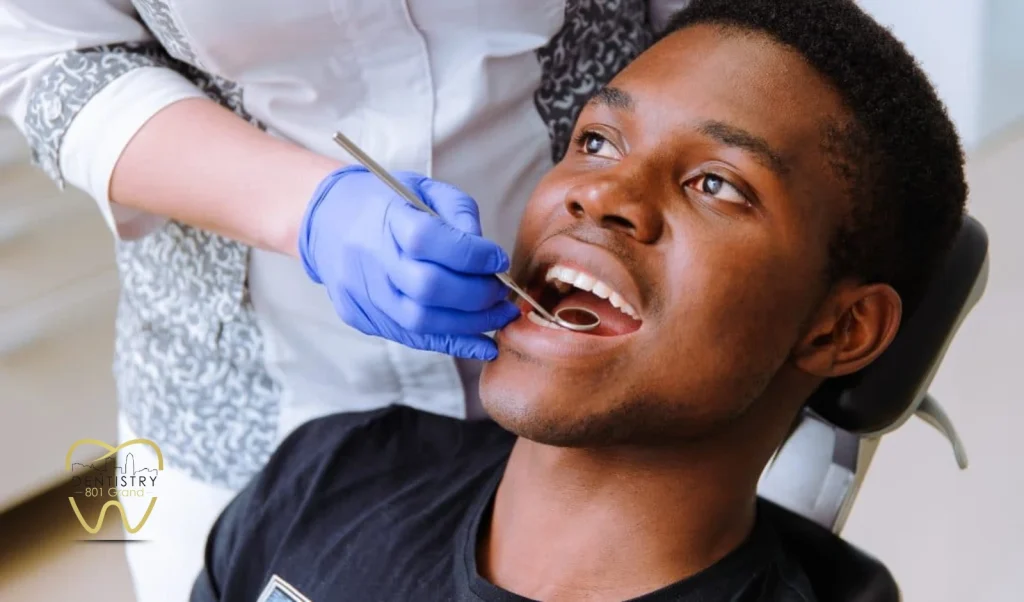
During a root canal procedure, your mouth stays open for an extended period. In many cases, treatment takes about 90 minutes, which may leave your jaw muscles feeling tired or sore afterward.
The treated area may also be sensitive because your dentist worked around the affected tooth to remove the infected pulp. Mild pain or discomfort during recovery is common and usually improves each day.
What Should You Expect During Recovery?
Many people notice pain in the jaw after root canal treatment for the first few days after their root canal. The discomfort is often related to healing rather than a problem with the procedure itself. Many patients also notice that the soreness becomes less noticeable with each passing day.
You may notice:
- Mild jaw stiffness
- Sensitivity when biting
- Tenderness around the treated tooth
- Minor soreness near the treatment area
As your immune system continues to heal the tissues around the tooth, the discomfort should gradually improve. Most patients recover without additional treatment.
How Can You Manage Jaw Discomfort?
Simple home care can make recovery more comfortable while your mouth heals.
Helpful tips include:
- Take pain relievers as directed.
- Eat softer foods for a few days.
- Avoid chewing on the treated side.
- Continue practicing good oral hygiene.
- Rest your jaw if it feels tired.
Avoid very hard or sticky foods until your treated tooth feels comfortable again. These habits support pain management and help reduce unnecessary pressure on the treated area. They also help protect the tooth while healing continues after root canal therapy.
When Should You Contact Your Dentist?
Although mild soreness is expected, certain symptoms may need professional attention.
You should contact your dentist if you notice:
- Pain that becomes worse instead of better.
- Swelling that increases after several days.
- Difficulty opening your mouth.
- Fever or unusual drainage.
- Severe tooth pain that does not improve.
Persistent pain after a root canal is not always a sign of a serious problem, but it should be evaluated if it continues or becomes more intense. In many cases, your dentist can identify the cause of persistent discomfort and recommend the most appropriate treatment. A tooth extraction is generally considered only when a tooth cannot be saved through other options.
If you notice tooth discoloration or changes in your bite after treatment, let your dentist know during your follow-up visit.
Final Thoughts
Jaw soreness after a root canal is usually temporary and gradually improves as the surrounding tissues recover. Most patients return to their normal routine within a few days while continuing to protect the treated tooth. A root canal is performed to treat pulpitis by removing the inflamed or infected tissue inside the tooth, allowing the area to heal.
If your symptoms become severe or do not improve, contact your dental team promptly. Early evaluation can help identify the cause and keep your recovery on track.
Recover Comfortably After Your Root Canal
A smooth recovery begins with understanding what is normal after treatment. Following your dentist’s recommendations and caring for your treated tooth can help reduce discomfort and support long-term oral health.
Dentistry 801 Grand provides expert root canal treatment, follow-up care, and personalized guidance to help patients recover comfortably. Our team is here to answer your questions, monitor your healing, and provide the care you need every step of the way. Call (515) 243-3419 to schedule an appointment or discuss any concerns after your root canal.
Frequently Asked Questions
Do I need to worry if my jaw feels sore after a root canal?
No. Mild jaw soreness is common because your mouth stays open during the procedure. The discomfort usually improves within a few days.
Can I eat normally after a root canal?
It is best to eat softer foods until the treated tooth feels comfortable. Avoid chewing on that side until your dentist says it is safe.
How do I know if my pain is normal?
Mild soreness that gradually improves is expected. Contact your dentist if the pain becomes worse or lasts longer than expected.
Do I need pain medication after a root canal?
Many patients manage discomfort with over-the-counter pain relievers. Your dentist will recommend the best option for your situation.
Can jaw pain mean my root canal failed?
Not usually. Mild jaw pain is often related to healing or muscle soreness after keeping your mouth open during treatment. Your dentist can evaluate persistent or worsening symptoms if needed.